Best Time To Visit Nairobi
Natalie Brooks
May 28, 2026
in Insights
The best time to visit Nairobi is during the dry seasons from July to October and January to February, when the weather is sunny, clear, and ideal for outdoor activities and wildlife viewing.
During these months:
- Rainfall is minimal
- Roads and parks are easily accessible
- Wildlife is easier to spot
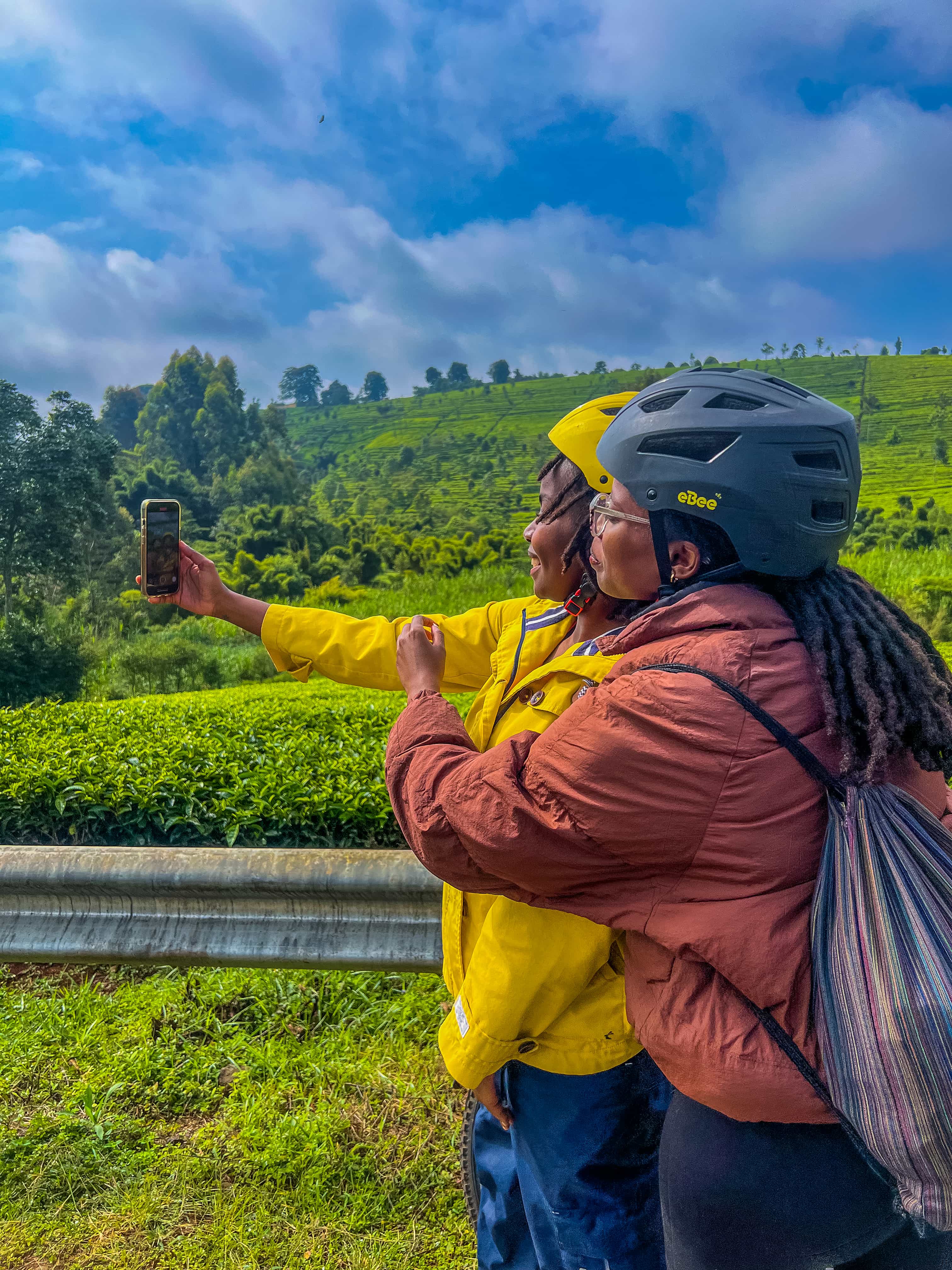
- Day trips around Nairobi (like Tigoni and Limuru) are at their best
If you want the perfect balance of weather, wildlife, and experiences—this is when Nairobi truly comes alive.
🦁 Best Time for Wildlife Viewing in Nairobi
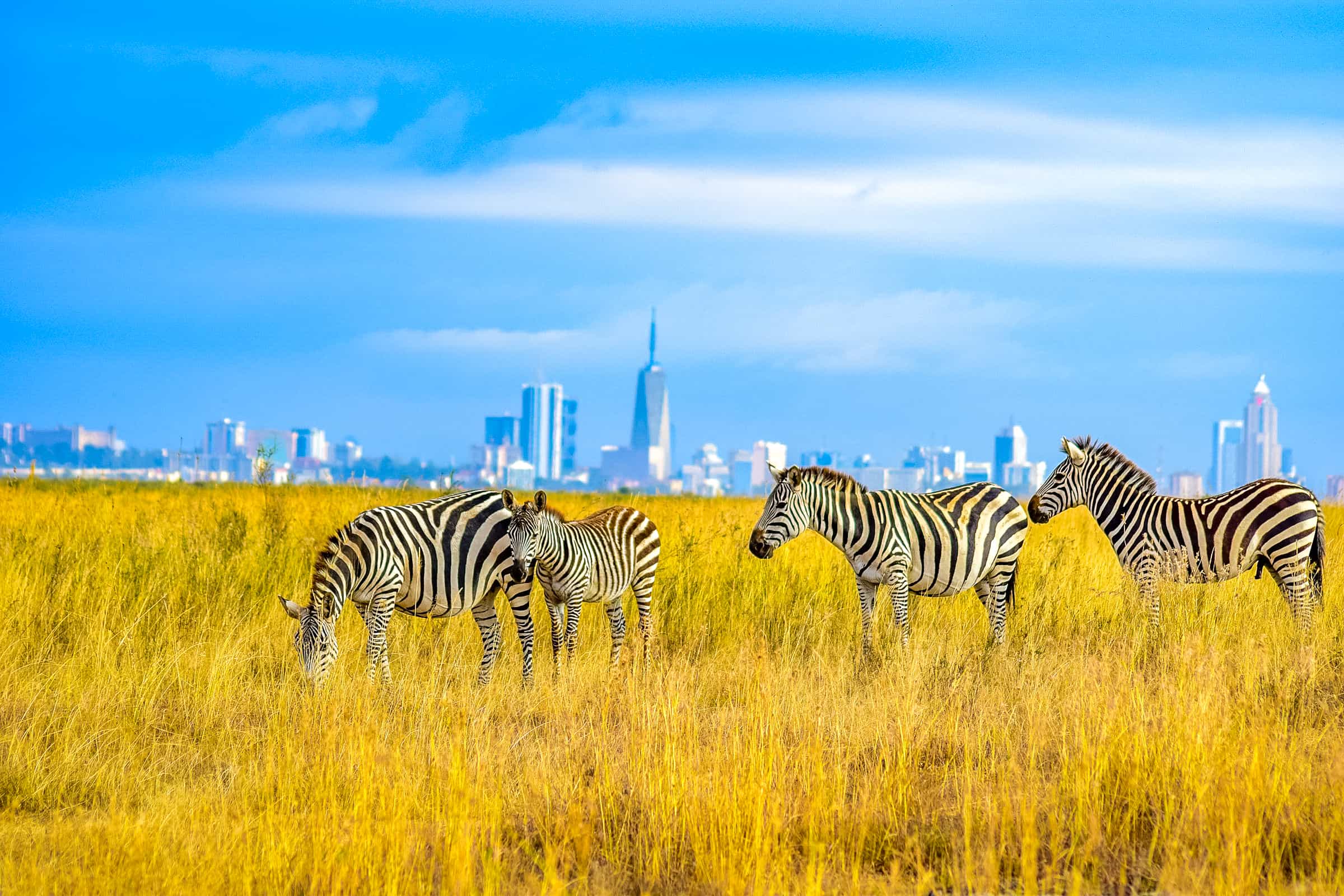
The best time to see wildlife in Nairobi National Park is during the dry seasons (July–October and January–February).
Why this is the best time:
- Animals gather around water sources
- Vegetation is thinner, making sightings easier
- Game drives are smoother due to dry terrain
You’re more likely to see:
- Lions
- Rhinos
- Giraffes
- Buffalo
👉 This is why Nairobi is one of the few cities in the world where you can go from urban life to a safari in under an hour.
🌡️ Nairobi Weather by Season (Detailed Breakdown)
☀️ Long Dry Season (July – October)
This is widely considered the best overall time to visit Nairobi.
What to expect:
- Sunny days with clear skies
- Minimal rainfall
- Temperatures: 21–25°C (70–77°F)
- Cool mornings and evenings
Best for:
- Wildlife safaris
- E-bike tours and hiking in Tigoni
- Photography and sightseeing
👉 July and August are especially pleasant due to cooler temperatures.
🌤️ Short Dry Season (January – March)
A second excellent window for visiting Nairobi.
What to expect:
- Warm, dry conditions
- Temperatures: 25–28°C (77–82°F)
- Bright, clear skies
Best for:
- Outdoor experiences
- Day trips to Tigoni and Limuru
- Tea farm tours and countryside exploration
👉 This is the warmest and sunniest time, perfect for travelers who prefer heat.
🌧️ Long Rainy Season (April – June)
This is the low travel season in Nairobi.
What to expect:
- Heavy, consistent rainfall
- Cloudy skies
- Muddy roads in some areas
Best for:
- Budget travelers
- Fewer crowds
- Lush, green landscapes
👉 While not ideal for safaris, this season offers a quieter, more reflective Nairobi.
🌦️ Short Rainy Season (November – December)
A transitional period with short bursts of rain.
What to expect:
- Afternoon showers
- Sunny mornings
- Vibrant green scenery
Best for:
- Bird watching (migratory species arrive)
- Scenic photography
- Flexible travelers
👉 The rain is usually brief, making it still possible to enjoy outdoor activities.
🐦 Best Time for Bird Watching in Nairobi
The best time for bird watching is November to December, when migratory birds arrive in Kenya.
Popular spots include:
- Nairobi National Park
- Karura Forest
- Tigoni highlands
This season offers:
- Rich biodiversity
- Unique species not seen year-round
🧭 When Should You Visit Nairobi? (Quick Guide)
- Best overall: July – October
- Best for warm weather: January – February
- Best for wildlife: Dry seasons (July–October, Jan–Feb)
- Best for bird watching: November – December
- Best for budget travel: April – June
❓ FAQs – Best Time to Visit Nairobi (AEO Optimized)
What is the best month to visit Nairobi?
The best months to visit Nairobi are July, August, and September, when the weather is cool, dry, and ideal for wildlife viewing and outdoor activities.
When is the best time for safari in Nairobi?
The best time for a safari in Nairobi is during the dry seasons (July–October and January–February) when animals gather around water sources and are easier to spot.
Does it rain a lot in Nairobi?
Nairobi has two rainy seasons:
- April to June (long rains) – heavy rainfall
- November to December (short rains) – brief showers
Is Nairobi good to visit all year round?
Yes, Nairobi can be visited year-round, but the dry seasons offer the best overall experience for weather and outdoor activities.
What is the weather like in Nairobi?
Nairobi has a mild climate due to its high altitude, with temperatures typically ranging between 21°C and 28°C (70°F to 82°F) throughout the year.
Tags :Insights
Share This Post :